
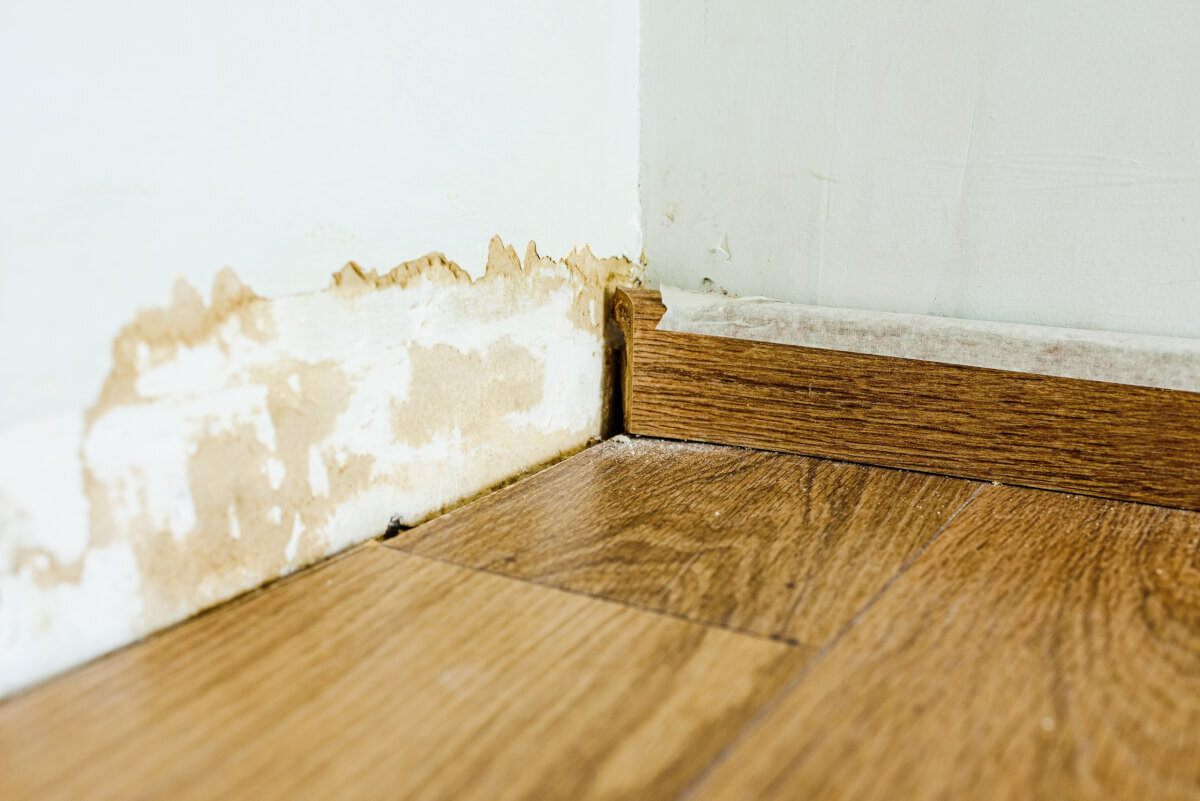
A leaking pipe, damaged roof, or flooded room can turn an ordinary home sale into an expensive decision. You may be looking at ruined flooring, damp drywall, damaged cabinets, or moisture that has reached places you cannot see. If an insurance claim is delayed or the repairs exceed your budget, selling the house without restoring it may seem like the most practical option.
You can generally sell a water-damaged house in Fort Worth, TX, without completing every repair. However, the cause of the damage, ongoing safety concerns, insurance proceeds, Texas disclosure requirements, and the buyer’s financing can affect what happens before closing.
The goal is not simply to find someone willing to buy a damaged house. It is to understand the expenses, obligations, and risks well enough to choose the sale that makes financial sense.
Can You Sell a House With Water Damage in Fort Worth?
Yes. Buyers can agree to purchase a property with stained ceilings, damaged floors, leaking plumbing, or unfinished restoration. Some want a renovated home; others are comfortable arranging the repairs themselves.
An as-is sale generally means the buyer accepts the property’s condition under the contract. It does not excuse inaccurate disclosures, remove an active safety hazard, or automatically resolve insurance and title questions.
Before marketing the property, identify the water source, whether the leak is still active, any known mold or structural concerns, and any insurance claim or municipal requirement. Then compare selling methods using estimated net proceeds, not the advertised sale price alone. For more context, see Greenseed’s Fort Worth as-is selling guide.
Common Causes of Water Damage in Fort Worth Homes
The cause matters because it changes repair costs, insurance coverage, and what buyers may need to investigate.
Plumbing Failures and Slab Leaks
Burst supply lines, leaking water heaters, failed washing-machine hoses, and overflowing fixtures can damage several rooms quickly. Hidden plumbing leaks may keep insulation or framing damp long after the visible water disappears.
A leak beneath a concrete slab can require specialist detection and plumbing work. That does not automatically mean the foundation is structurally damaged, although persistent moisture may warrant further evaluation. Greenseed’s foundation-problems guide explains that related selling issue.
Roof Leaks and Storm Damage
Damaged flashing, roof openings, and deteriorated materials can allow water into the attic, ceiling, or walls. A stain on the ceiling does not establish how far moisture has spread. A roofer may need to distinguish sudden storm damage from gradual deterioration when documenting a possible claim.
Floodwater and Surface Drainage
Water entering from outside during heavy rainfall can carry contamination and affect materials differently from clean water released by a pipe. Flooding also raises separate insurance and land-use questions. Do not describe a home as never flooded without checking the property’s known history.
What Should You Do Before Listing a Water-Damaged Home?
You do not need to complete every renovation to sell, but leaving a problem actively worsening can increase losses and complicate negotiations.
Stop the source when safe. Shut off leaking water supplies and arrange help for electrical hazards, sewage, or contaminated standing water. Temporary roof protection may be appropriate after a storm.
Document the condition. Photograph affected rooms before cleanup, and keep plumbing invoices, contractor estimates, moisture reports, and insurance correspondence. Buyers may want to understand both the cause and what work has been done.
Prevent further damage. The EPA recommends drying wet materials within 24–48 hours to reduce the chance of mold growth. Professional drying may be appropriate where moisture is trapped or contamination is present.
Coordinate with the insurer. If there may be coverage, contact your company before permanent repairs. The Texas Department of Insurance (TDI) advises documenting damage and discussing the claim before making permanent changes; reasonable emergency protection may still be necessary.
Fort Worth Flood Risk: Check More Than FEMA’s Map
Flooding in Fort Worth is not limited to homes next to major waterways. Runoff can affect urban streets and neighborhoods beyond mapped federal floodplains.
The city’s Flood Warning Information identifies two important categories outside FEMA floodplains:
- City Flood Risk Areas (CFRA): Areas with detailed city flood-risk evaluation that are used in development regulation.
- Potential High Water Areas (PHWA): Areas identified through less detailed mapping to warn of possible flooding.
Fort Worth’s CFRA development regulations took effect in July 2024. Depending on the property’s location and proposed rehabilitation, additional review may be needed. Check the city’s Flood Risk Viewer and FEMA’s Flood Map Service Center, then confirm applicable requirements with city staff.
When the 50% Substantial-Damage Rule Matters
For structures subject to applicable floodplain requirements, Fort Worth defines substantial damage as damage for which restoring the building to its pre-damage condition would cost 50% or more of the building’s market value immediately before the damage. That refers to the building, not simply the land-and-house purchase price.
A qualifying project may trigger additional building-permit and floodplain-compliance requirements. The city makes this determination based on the restoration cost, even if the owner proposes to complete only part of the work. Review Fort Worth’s Stormwater Development Review guidance before assuming extensive flood repairs can be treated as an ordinary remodel.
Not every leaking pipe or wet ceiling triggers this rule. Its relevance depends on the regulated location and the city’s determination.
Does Texas Homeowners Insurance Cover Water Damage?
Possibly. The distinction between sudden accidental water damage and gradual seepage or outside flooding is especially important.
According to TDI’s water-damage guidance, homeowners policies commonly cover a sudden pipe break or appliance overflow. Gradual leaks, wear, and flood damage are frequently excluded or limited.
| Damage source | General coverage consideration |
|---|---|
| Sudden burst pipe or appliance overflow | Often covered, subject to policy language |
| Long-running hidden leak | Frequently excluded or restricted |
| Roof damage from a covered storm | Depends on the cause and policy |
| Water rising or flowing in from outside | Usually requires separate flood insurance |
| Mold after water damage | Depends on the covered event and mold terms |
These are examples, not coverage decisions. Your declarations, endorsements, exclusions, and deductible control the actual result. Read TDI’s home insurance guide or ask your insurer to explain the policy.
A separate flood policy may cover qualifying flood losses. The National Flood Insurance Program explains how flood coverage differs from standard homeowners coverage.
What if the Claim Is Denied or Still Open?
Ask for the insurer’s explanation in writing and retain any inspection or adjustment records. TDI consumer assistance is available if you have questions or a complaint.
An open claim does not necessarily prohibit a sale, but it creates questions about future payments, inspections, and who is entitled to the proceeds. Insurance checks can involve a mortgage lender, which may control how repair funds are released. Clarify these matters with the insurer and title company before deciding how claim proceeds will be allocated in a contract. Never assume an unsettled claim automatically transfers to the buyer.
What if the House Has Mold or Hidden Moisture?
Moisture trapped beneath flooring or behind walls can allow mold to grow, even after a visible leak stops. Staining alone does not tell you whether affected materials are fully dry.
The EPA’s mold guidance emphasizes correcting the moisture source rather than simply covering affected surfaces. Porous materials may need to be removed when mold contamination is significant.
Texas regulates certain professional mold-assessment and remediation activities. The Texas Department of Licensing and Regulation explains when licensing requirements or exemptions apply. Avoid claiming a house is mold-free unless you have a sound basis for doing so.
If you plan to sell without completing remediation, give buyers truthful information about known moisture and mold conditions. You can negotiate who will perform future work, but you should not conceal what you know.
Do Water Damage Repairs Require Permits in Fort Worth?
Some do. Fort Worth distinguishes ordinary cosmetic improvements from work affecting walls, structural components, plumbing, electrical systems, or other regulated building elements.
A particularly relevant local rule: replacing drywall that totals 16 square feet or more in any wall or ceiling requires a building permit under the city’s Residential Permitting guidance. Water restoration involving extensive drywall removal may therefore require more than a contractor’s estimate.
Depending on the project, permits may also be required for plumbing repairs, electrical equipment, structural changes, foundation work, or certain roof components. Basic floor coverings are treated differently from structural floor repairs.
Ask the city’s Development Services Department which permits and inspections apply before ordering major restoration. Save final inspection and permit documents if work is completed before sale.
Three Ways to Sell a Water-Damaged House in Fort Worth
1. Repair the Damage and List With an Agent
This may produce the highest price when the loss is limited, coverage is available, and restoration will make the home attractive to buyers using ordinary financing.
But the seller may need to pay deductibles and uncovered expenses, coordinate contractors, obtain permits, and carry the property during repairs. Compare the expected selling price with those total costs, not just the first contractor estimate.
2. List the Property As-Is
An as-is listing can reach investors and renovation-minded buyers without requiring complete restoration first. Buyers may request inspections and price concessions, and some lenders may require repairs before approving a loan.
As-is terms do not erase disclosure duties. Our Fort Worth fixer-upper guide provides more context on marketing a property that needs work.
3. Request a Direct Cash Offer
A direct buyer may be willing to evaluate the property with damaged flooring, walls, or cabinets and perform restoration after closing. The offer will reflect the condition, estimated work, and other risks.
A lower purchase price is not necessarily a worse financial outcome if it also avoids substantial repair and carrying expenses. Review how Greenseed Home Buyers purchases properties and request a no-obligation offer to compare written terms. No legitimate offer can guarantee that unknown title or claim issues will disappear.
Fort Worth Example: Repair and List vs. Sell As-Is
Consider a hypothetical single-story house in south Fort Worth. A concealed bathroom leak has damaged nearby drywall, cabinetry, and flooring. A plumber has stopped the leak, but drying and restoration remain unfinished. Assume the owner has no available insurance reimbursement.
| Illustrative financial item | Repair and list | Direct as-is sale |
|---|---|---|
| Sale price | $325,000 | $250,000 |
| Mortgage payoff | −$154,000 | −$154,000 |
| Immediate mitigation | −$3,200 | −$1,800 |
| Restoration and repairs | −$41,500 | $0 |
| Permits and inspections | −$2,200 | $0 |
| Negotiated agent compensation | −$16,000 | $0 |
| Other seller closing costs | −$5,100 | $0 |
| Additional holding expenses | −$6,400 | −$1,900 |
| Illustrative net proceeds | $96,600 | $92,300 |
Hypothetical example only—not market averages, contractor quotes, or a Greenseed Home Buyers offer. No insurance proceeds are included. The direct-sale scenario assumes the buyer contractually covers ordinary seller closing costs and completes agreed restoration after closing. Actual proceeds depend on liens, taxes, uncovered damage, and transaction terms.
Although the repaired house sells for $75,000 more, the projected net proceeds are only $4,300 higher. The repair-first approach also demands substantially more upfront money.
That does not mean an as-is sale is always preferable. If an insurer pays most of the restoration or repairs cost less than expected, listing after repairs may be financially stronger. Request estimates and compare your own numbers.
Can Water Damage Affect Inspection and Mortgage Approval?
Yes. An inspection may reveal moisture, soft flooring, damaged drywall, or signs of previous repairs. The buyer could seek further assessment by a plumber, roofer, or remediation specialist.
A lender or appraiser may also identify conditions affecting safety, soundness, or habitability. Requirements differ by lender and loan program; water damage does not automatically make every mortgage impossible.
If the property will be marketed as needing work, describe its condition accurately and prepare documentation. A buyer who understands the repair scope before making an offer is less likely to be surprised during due diligence.
What if Water Damage Is Discovered After You Accept an Offer?
Review the purchase contract before promising repairs or changing the price. Depending on the contract and inspection period, a buyer may request a repair credit, seek an amendment, proceed under the original terms, or exercise an available termination right. The seller is not automatically required to accept every requested concession.
Get a written estimate for the newly discovered issue and clarify whether the water source is still active. Any amendment should state what work, if any, must be completed before closing. If the damage is serious or a dispute arises, consult a Texas real estate professional or attorney rather than relying on an informal conversation.
Do You Have to Disclose Water Damage When Selling in Texas?
For many previously occupied single-family homes, Texas Property Code Section 5.008 requires a Seller’s Disclosure Notice, subject to exceptions. The law addresses known water damage, flood history, drainage conditions, and other property matters.
The Texas Real Estate Commission Seller’s Disclosure Notice, effective May 28, 2026, is a useful current form reference. Read it together with Texas Property Code Section 5.008.
What if the Damage Was Repaired Years Ago?
Previous damage and repairs may still be relevant to questions on the disclosure notice. Answer based on your knowledge, including records available to you. Keep invoices, warranty documents, and inspection results.
Does Selling As-Is Remove Disclosure Requirements?
No. An as-is agreement does not automatically excuse omissions or misrepresentations. Certain transactions qualify for statutory exceptions, so ask a qualified Texas professional if you are uncertain about your obligations.
Selling a Vacant, Inherited, or Rental House With Water Damage
Vacant property: An unnoticed leak can spread before anyone enters the home. Secure the building, confirm the water supply is safe, and check vacancy-related insurance restrictions.
Inherited property: Establish the authority to sell and identify estate debts or insurance issues before accepting an offer. Our Fort Worth probate guide addresses related questions.
Rental property: A sale does not automatically terminate lease or maintenance obligations. Coordinate access and necessary safety work appropriately. See Greenseed’s Fort Worth rental property guide.
Financial pressure: If restoration costs come alongside delinquent taxes or mortgage payments, review the Fort Worth back-taxes guide and foreclosure selling guide. A pending sale does not automatically extend payment or legal deadlines.
Checklist Before Selling a Water-Damaged House in Fort Worth
- Identify the source. Distinguish a plumbing leak, roof opening, or external flooding.
- Prevent further damage. Address active leaks and urgent safety hazards.
- Document the condition. Save photos, estimates, claim records, and work orders.
- Clarify insurance proceeds. Ask about open claims and mortgage-lender interests.
- Check permits and flood risk. Confirm any Fort Worth development restrictions relevant to restoration.
- Review title and disclosures. Identify recorded obligations and complete applicable notices accurately.
- Compare net proceeds. Calculate repair costs, holding expenses, sale costs, and available insurance funds.
- Read the offer. Confirm which party pays costs and handles remaining repairs.
How Greenseed Home Buyers Fits Into Your Options
If your Fort Worth property has substantial water damage, Greenseed Home Buyers can provide a direct-purchase option to compare with repairing and listing.
A proposed offer depends on the home’s condition, location, title, and other circumstances. Review the contract rather than relying only on a headline price. You can learn more about the company, see its reviews, or check the frequently asked questions.
There is no obligation to accept an offer, and homeowners should consider all financially reasonable alternatives.
Frequently Asked Questions About Selling a Water-Damaged House in Fort Worth, TX
1. Can I sell a house with water damage in Fort Worth, TX?
Yes. You can generally sell it as-is, subject to applicable disclosures, contract terms, and closing requirements.
2. Do I have to fix water damage before selling?
Not necessarily. Some buyers accept unfinished restoration, though condition can affect financing and price.
3. Does Texas homeowners insurance cover water damage?
It depends. Sudden accidental leaks are often covered; gradual leaks and flooding commonly are not.
4. Can I sell while an insurance claim is open?
Potentially. Clarify pending payments, lender interests, and contractual rights before closing.
5. Can I sell a house with mold from water damage?
Yes, potentially. Known moisture and mold conditions may require disclosure and additional buyer evaluation.
6. Can I sell a previously flooded house in Fort Worth?
Yes. Disclose known flood history as required and check any applicable development restrictions.
7. Do I have to disclose past water damage in Texas?
Generally, applicable Texas disclosure forms address known water damage and flood history, subject to exemptions.
8. Will water damage prevent mortgage approval?
Not always. Significant defects may trigger lender conditions or additional inspections.
9. Do I need a permit to replace water-damaged drywall in Fort Worth?
Yes, when replacement totals 16 square feet or more in any wall or ceiling under the city’s permitting guidance.
10. Will Greenseed Home Buyers consider a water-damaged house?
Yes. The company considers properties needing repairs; offers depend on condition and purchase terms.
Compare Your Options Before Selling a Water-Damaged House in Fort Worth
Water damage does not automatically mean you must complete expensive restoration before selling. A repaired listing may yield more proceeds for one property; an as-is sale may be more practical for another.
Start with the cause, your insurance position, required repairs, and realistic net proceeds. If you want a direct-sale comparison, contact Greenseed Home Buyers or call (817) 835-7361. You can also request a cash offer and review the written terms before deciding.
Disclaimer: This article provides general educational information, not legal, insurance, tax, or financial advice. Coverage, permitting, disclosure obligations, and transaction requirements depend on your circumstances. Consult the insurer, City of Fort Worth, and qualified Texas professionals about your property.