
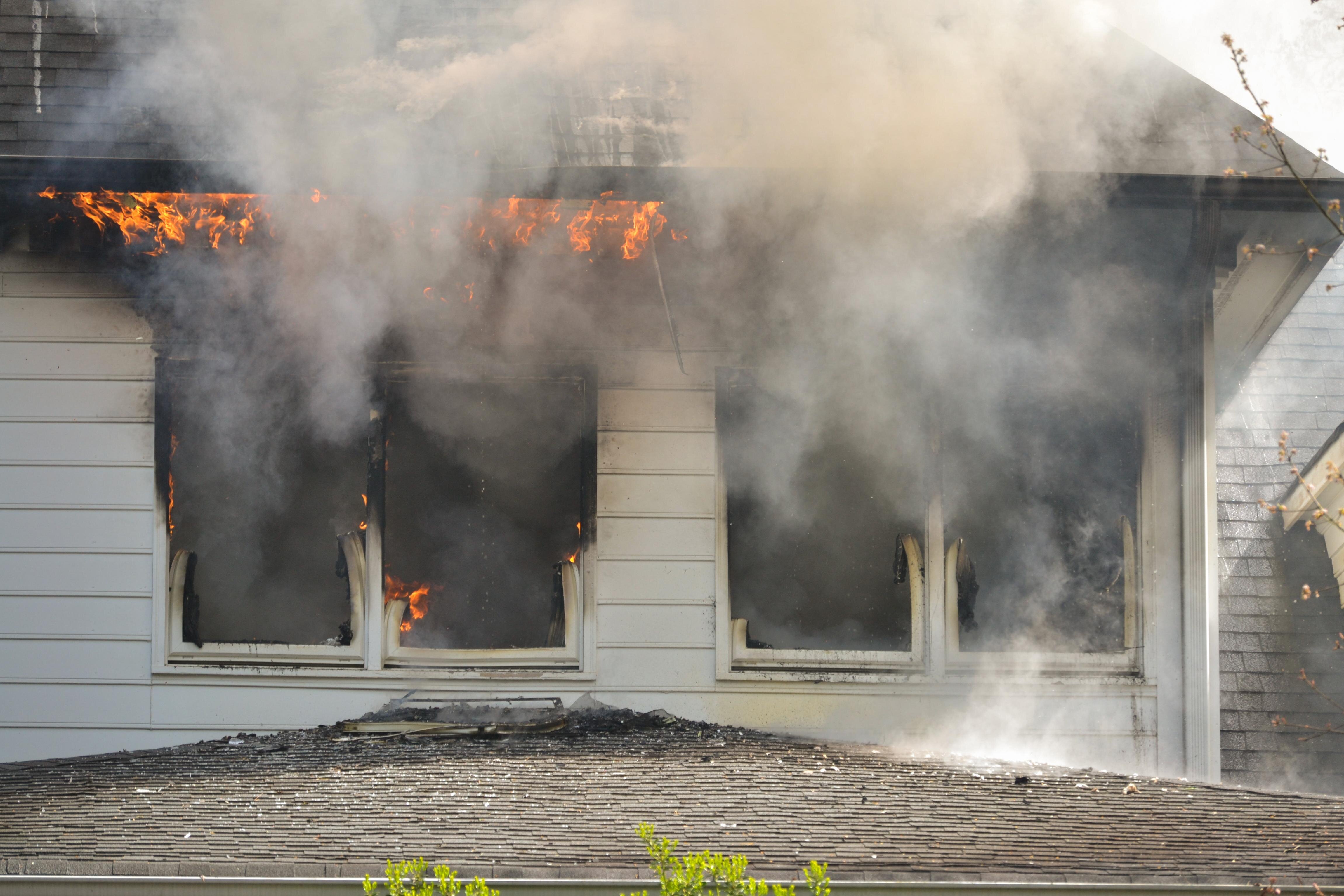
A house fire can leave a Dallas homeowner facing decisions that cannot wait: where to stay, how to secure the building, what the insurance company will pay, and whether rebuilding makes financial sense. Even a fire confined to one room may leave smoke contamination, firefighting water damage, and expensive electrical or structural repairs elsewhere.
You can generally sell a fire-damaged house in Dallas, TX, without completing restoration first. A willing buyer may purchase the property in its existing condition. But selling as-is does not eliminate disclosure obligations, resolve an insurance claim automatically, or release an existing mortgage without an appropriate payoff.
The right choice depends on the damage, the insurance policy, your mortgage lender, and the actual proceeds available under each selling option. This guide explains what to do after a fire, how to avoid double-counting insurance money, and when repairing or selling as-is may be more practical.
Can You Sell a Fire-Damaged House in Dallas As-Is?
Yes. Texas does not generally require every fire-damaged residence to be completely restored before ownership can transfer. The buyer must understand what is being purchased, and the contract should identify any work, inspections, or municipal conditions that remain unresolved.
A traditional buyer using mortgage financing may have difficulty purchasing an uninhabitable property. An experienced investor may consider substantial damage but will calculate restoration costs and uncertainty into the offer.
The property could have only smoke damage, a partially burned kitchen, or major structural loss. Those situations require very different evaluations. If you want to compare a direct purchase with listing, start with Greenseed’s Dallas home-selling options.
The First 24 Hours After a House Fire: Safety Comes Before Selling
Do not reenter the house until fire officials authorize it. A damaged roof, floor, or wall can collapse even when the flames are out. Smoke residue, energized wiring, unstable debris, and gas lines can also create hazards.
Dallas Fire-Rescue’s After the Fire recovery guide advises homeowners to contact their insurer, avoid restarting disconnected utilities, and arrange safe protection of the property. If an opening needs boarding or the roof needs a temporary cover, ask the insurer what emergency work is approved and preserve receipts.
Photograph accessible damage only when entry is safe. Keep records of temporary lodging, security, cleanup estimates, and conversations with adjusters. The American Red Cross guide to checking a home after a fire explains additional safety concerns.
Avoid signing an expensive restoration contract immediately after the emergency. Ask who will pay, whether the contract assigns insurance benefits, and what cancellation terms apply.
Obtain the Fire Report and Preserve Evidence
Dallas Fire-Rescue says a fire report may be requested through the city’s open-records process. The report can assist insurers and future buyers, although it is not a substitute for a structural assessment.
Retain the incident number, insurer claim number, inspection photographs, contractor proposals, and any notices restricting occupancy. Do not throw away insured items or begin extensive demolition without coordinating documentation with the adjuster, unless immediate safety work is required.
Four Types of Damage Buyers Will Evaluate
Direct Flame and Heat Damage
Charred framing, burned finishes, warped materials, and heat-damaged structural connections may require detailed evaluation. A room that looks repairable from the doorway can conceal damage behind its walls. Hire a qualified professional to assess load-bearing components before pricing major repairs.
Smoke, Soot, and Odor
Smoke can travel through ducts, cavities, insulation, and rooms untouched by flames. Cleaning visible soot does not establish that contamination has been properly addressed. An appropriate restoration assessment should identify materials that can be cleaned and those that need replacement.
Firefighting Water Damage
Water used to extinguish a fire may saturate drywall, insulation, subfloors, and electrical systems. If moisture remains, secondary deterioration may develop. This differs from ordinary plumbing or flooding issues, so the cause, affected materials, and mitigation records matter. Greenseed’s Fort Worth water-damage guide covers related moisture considerations.
Roof, Electrical, and Structural Damage
A fire may require firefighters to open the roof for ventilation, while heat can compromise wiring or equipment. Request appropriate professional assessments before assuming only cosmetic repairs are necessary. Related roofing concerns are covered in the Dallas bad-roof guide.
Does Texas Homeowners Insurance Cover Fire Damage?
Many Texas homeowners policies cover sudden, accidental fire damage, subject to policy language, exclusions, limits, and deductibles. That does not mean the insurer will pay every proposed restoration cost.
Notify your carrier promptly and ask about deadlines, proof-of-loss requirements, emergency stabilization, and coverage for temporary housing. The Texas Department of Insurance home insurance guide explains the main coverage types and claim process.
Document both the loss and the costs. If you disagree with an estimate, request the explanation in writing and consider a qualified independent assessment. The Texas Department of Insurance claims FAQ outlines common questions, including mortgage involvement.
Actual Cash Value vs. Replacement Cost
Actual cash value (ACV) commonly accounts for depreciation. Replacement cost coverage may provide additional payment after covered repairs or replacement are completed, subject to the policy.
For example, an insurer might estimate covered repairs at $100,000, deduct $20,000 of depreciation and a $5,000 deductible, and initially issue $75,000. Whether the withheld $20,000 can later be collected depends on the contract and proof of qualifying expenses; it is not automatically available upon selling.
Read the state’s replacement-cost versus ACV explanation before comparing insurance settlements with purchase offers.
What if the House Is a Total Fire Loss?
Texas has particular insurance provisions governing qualifying total losses by fire. However, whether a structure meets the legal and policy requirements for total-loss treatment is fact-specific. Do not assume a severely damaged house automatically qualifies.
The Texas Department of Insurance fire, smoke, and explosion FAQ discusses these rules and coverage differences. Ask the insurer for its written total-loss determination and explanation of benefits.
Can Insurance Pay for Temporary Housing?
If a covered fire makes your home uninhabitable, your policy may include Additional Living Expenses (ALE) coverage for qualifying temporary housing and increased living costs. Coverage limits, reimbursement requirements, and eligible expenses vary.
Keep receipts and ask your insurer how selling the property could affect any remaining benefits. Do not assume temporary housing payments will continue after the sale.
Can You Sell While the Insurance Claim Is Still Open?
Potentially, yes—but resolve who is entitled to each payment before closing. Selling the property does not necessarily extinguish a valid claim for damage that occurred while you owned it. Equally, a pending claim is not cash guaranteed to the seller.
Ask the carrier, lender, and title company to clarify whether claim proceeds will be retained by the seller, applied to the mortgage, controlled for repairs, or addressed by a properly drafted assignment or settlement agreement. Policy restrictions and the sale contract both matter.
Never count a proposed insurance payment and a purchase offer together until you know which amounts are payable, to whom, and under what conditions. Texas Law Help’s insurance-issues guide provides background on insurer and lender roles.
What if the House Catches Fire While Under Contract?
A fire that occurs after you sign a purchase contract can create additional obligations. Under Paragraph 14 of the standard TREC One to Four Family Residential Contract (Resale), the seller generally must restore casualty damage to its previous condition by closing.
If the seller cannot complete restoration because of factors beyond their control, the buyer may have specific options: terminate and recover earnest money, extend the seller’s performance period by up to 15 days, or accept the damaged property with an assignment of insurance proceeds where the insurer permits it and a credit for the deductible.
These rights depend on the executed contract. If your Dallas house suffers fire damage while a sale is pending, notify the buyer and seek professional guidance before changing the closing arrangements.
What Happens if You Still Have a Mortgage?
The mortgage must ordinarily be paid off or otherwise addressed as part of a clear-title sale. Claim checks for structural repairs are commonly made payable to both the homeowner and mortgage company. The lender may hold funds and release them as eligible work progresses.
Ask your servicer for a current payoff statement and its written loss-draft requirements. Do not assume the lender will release all insurance funds to you just because you plan to sell. Compare the payoff, sale proceeds, and confirmed insurance allocations before signing a contract.
What if the Insurance Settlement Is Denied or Too Small?
Selling may still be possible, but a low settlement can change the economics dramatically. Review the denial letter, deductible, coverage limitations, and any deadlines to challenge the decision. If the repair estimate is disputed, keep supporting specialist reports.
The Texas Department of Insurance consumer complaint process may help with insurer-service or claim-handling problems; it does not automatically establish that a loss is covered.
Homeowners without sufficient insurance should obtain actual bids rather than assuming that a high pre-fire market value makes rebuilding affordable. An inherited or vacant property may also have unusual policy conditions.
Dallas Permits, Inspections, and Possible Demolition
Major fire restoration may involve structural framing, electrical, plumbing, mechanical systems, roofing, and interior reconstruction. Dallas requires permits and inspections for qualifying work; there is no universal exemption merely because repairs follow a fire.
Use the City of Dallas Building Inspection FAQs to understand permitting responsibilities. The city’s DallasNow portal provides application and permit-status information. Dallas also lists a separate residential demolition permit category in its permit and inspection directory.
Before paying a contractor, ask which permits, design documents, and inspections apply to the specific scope. Determine whether utilities may be restored, whether the property may be occupied, and whether a damaged structure must be stabilized or demolished.
An as-is sale does not necessarily erase an outstanding city notice. Verify responsibilities under the contract. Our Fort Worth code-violations guide explains related selling considerations.
Should You Repair the Fire Damage Before Listing?
Repairing first may bring a larger pool of conventional buyers, but it requires funding, management, and time. Obtain separate estimates for structural repairs, smoke remediation, water mitigation, permits, debris removal, and systems replacement.
A restoration estimate should specify what is included and what may change after walls are opened. Ask about subcontractors, final inspections, insurance, and payment milestones. The Dallas Fire-Rescue recovery guide advises written contracts and careful handling of claim funds.
If repairs expose additional foundation or structural concerns, see Greenseed’s Arlington foundation guide. Compare the expected increase in selling price against all work and holding expenses—not just the contractor’s opening quote.
Three Ways to Sell a Fire-Damaged House in Dallas
1. Restore the House and List Traditionally
This can make sense when the insurer covers most eligible repairs, the owner can manage contractors, and the post-restoration price justifies the work. Verify permits and final inspections before marketing the property as repaired. A higher resale price is not the same as a higher net recovery.
2. List the Property As-Is
You can disclose the fire damage and seek buyers prepared to restore the property. Expect inspections, questions about permits and claim rights, and possibly financing limitations. Buyers may price substantial unknowns into their offers. Greenseed’s fixer-upper guide explains the general repair-versus-sale decision.
3. Request a Direct Cash Offer
A direct buyer may consider an unsafe-to-occupy or extensively damaged home, depending on the structure, land, title, and other factors. Some buyers are comfortable evaluating the property without finished restoration, though access and contract conditions still matter.
Review how Greenseed Home Buyers works and request a no-obligation offer if you want an alternative to rebuilding first. Do not assume every fire-damaged property will qualify or that any offer is guaranteed.
Dallas Financial Example: Repair and Sell vs. Sell Fire-Damaged
Consider a hypothetical Dallas home with extensive kitchen and smoke damage. The owner obtains a restoration bid and compares three possible sales. This table excludes insurance proceeds altogether because the amount, timing, and legal recipient could differ by strategy. It is a comparison of property-sale net proceeds, not the owner’s total financial recovery.
| Illustrative financial item | Restore and list | List fire-damaged as-is | Direct as-is sale |
|---|---|---|---|
| Sale price | $390,000 | $260,000 | $242,000 |
| Mortgage payoff | −$168,000 | −$168,000 | −$168,000 |
| Restoration and remediation | −$100,000 | $0 | $0 |
| Securing and protective work | −$3,000 | −$3,000 | −$3,000 |
| Permits and inspections | −$4,000 | $0 | $0 |
| Negotiated agent compensation | −$19,500 | −$13,000 | $0 |
| Other seller closing costs | −$6,500 | −$5,000 | −$2,000 |
| Additional holding expenses | −$8,000 | −$4,500 | −$2,500 |
| Illustrative sale net proceeds | $81,000 | $66,500 | $66,500 |
Entirely hypothetical, not actual Dallas pricing or a Greenseed offer. The direct-sale scenario assumes the buyer takes responsibility for restoration after closing and does not charge negotiated agent compensation. The seller still pays the listed closing expenses. Figures exclude claim payments, taxes beyond assumed expenses, additional liens, temporary housing, and unforeseen costs.
Repairing produces $14,500 more from the property sale in this example, but requires $100,000 in restoration spending and a longer period of ownership. A confirmed insurance payment might improve the repair option—or affect one or more other options—but do not add the same claim check twice or treat withheld depreciation as certain. Ask the insurer and lender for written figures, then compare total recoveries.
Do You Have to Disclose a Previous House Fire in Texas?
You must accurately disclose known material property conditions when the applicable Texas disclosure rules require it. For many previously occupied single-family homes, Texas Property Code §5.008 requires a Seller’s Disclosure Notice, subject to statutory exemptions.
The TREC Seller’s Disclosure Notice covers known conditions involving major systems, previous fires, and damage or repairs. Answer the form accurately and explain significant known smoke, structural, electrical, and water-related problems, including work completed after the fire.
An as-is contract does not give a seller permission to conceal known defects or misrepresent restoration. Keep fire reports, engineer evaluations, permit records, invoices, and insurance documentation available for review.
Will Fire Damage Affect Mortgage Financing or Buyer Inspections?
Yes, potentially. A lender may require an appraisal or condition-related repairs before approving a mortgage, and a buyer may struggle to obtain acceptable property insurance. Requirements differ by financing program, lender, and condition.
If a buyer’s inspection discovers previously unreported damage, negotiations may become difficult. Greenseed’s failed-inspection guide explains Texas option periods and repair requests.
A buyer paying cash avoids mortgage-underwriting requirements but still needs a clear contract and should evaluate safety, title, access, and insurance-claim arrangements.
What About an Inherited, Vacant, or Rental House After a Fire?
An inherited home may require probate or other proof that the person signing has authority to sell. See the Dallas inherited-property guide.
For a vacant house, notify your insurer of the occupancy situation and ask about policy restrictions, security, and continuing coverage. If tenants occupied the property, review lease obligations and how displacement affects the tenancy. Greenseed’s Dallas problem-tenants guide addresses leases and occupied-property sales.
If mortgage or tax payments are becoming difficult, discuss deadlines promptly. Damage or an active insurance claim does not automatically suspend a loan or property-tax obligation.
Checklist Before Accepting an Offer on a Fire-Damaged House
- Confirm safety: Follow Dallas Fire-Rescue instructions before entry or inspection.
- Secure the property: Arrange reasonable protective work and keep receipts.
- Collect records: Save the fire report, photographs, bids, and city notices.
- Verify insurance: Request written claim status, deductible, depreciation, and payment conditions.
- Contact the lender: Obtain a current payoff and loss-draft instructions.
- Check Dallas permits: Identify outstanding inspection, reconstruction, or demolition requirements.
- Prepare disclosures: Explain known damage and completed or incomplete repairs.
- Compare offers: Review net proceeds, contingencies, claim rights, and closing obligations.
For company background, visit Greenseed Home Buyers and its customer reviews.
Frequently Asked Questions About Selling a Fire-Damaged House in Dallas, TX
1. Can I sell a fire-damaged house in Dallas without repairing it?
Yes. A willing buyer can purchase it as-is, subject to safety, disclosure, title, and agreed contract requirements.
2. Will a cash buyer purchase a house with severe fire damage?
Some buyers will consider extensive damage. The offer depends on condition, access, title, and restoration costs.
3. Can I sell while my fire insurance claim is open?
Potentially. Confirm claim rights, payment recipients, and any lender requirements before closing.
4. Can I keep the insurance settlement after selling?
It depends on the policy, lender, claim status, and sale agreement. Never assume all proceeds remain payable to you.
5. Does Texas insurance cover smoke and firefighting water damage?
Many policies cover resulting damage from a covered fire, subject to deductibles, limits, and exclusions.
6. Do I need a Dallas permit to rebuild after a house fire?
Qualifying structural, trade, and demolition work generally requires applicable city permits and inspections.
7. Must I disclose previous fire damage to a buyer?
Disclose known material conditions as required by Texas law, including significant damage and repairs.
8. Can I sell a fire-damaged house with a mortgage?
Yes, if the mortgage is properly paid off or otherwise resolved at closing and the buyer accepts the terms.
9. Is repairing before selling always more profitable?
No. Compare the sale proceeds, insurance payments, restoration costs, holding expenses, and risks for each option.
10. Will Greenseed Home Buyers consider my fire-damaged Dallas house?
You can request an evaluation. Any offer depends on the property’s condition, title, location, and agreed terms.
Compare Your Options Before Rebuilding a Fire-Damaged Dallas House
After a house fire, there is rarely one answer that fits every property. Rebuilding may produce a better result when insurance and contractor costs align; selling as-is may avoid further spending and uncertainty.
To explore a direct purchase, contact Greenseed Home Buyers or call (817) 835-7361. You can also read the company’s FAQs and request a no-obligation offer. Compare written terms before making your decision.
This article provides general educational information, not legal, insurance, tax, financial, or construction advice. Policy terms, property conditions, municipal requirements, and contract rights vary. Consult qualified Texas professionals about your particular situation.